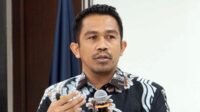
PALMOILMAGAZINE, NUSA DUA — The government’s plan to raise the biodiesel blend from B40 to B50 is drawing renewed concern from palm oil smallholders. The Chairman of the Oil Palm Smallholders Union (SPKS), Sabarudin, emphasized the need for a thorough evaluation of the policy to ensure it does not place additional pressure on small-scale farmers.
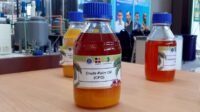
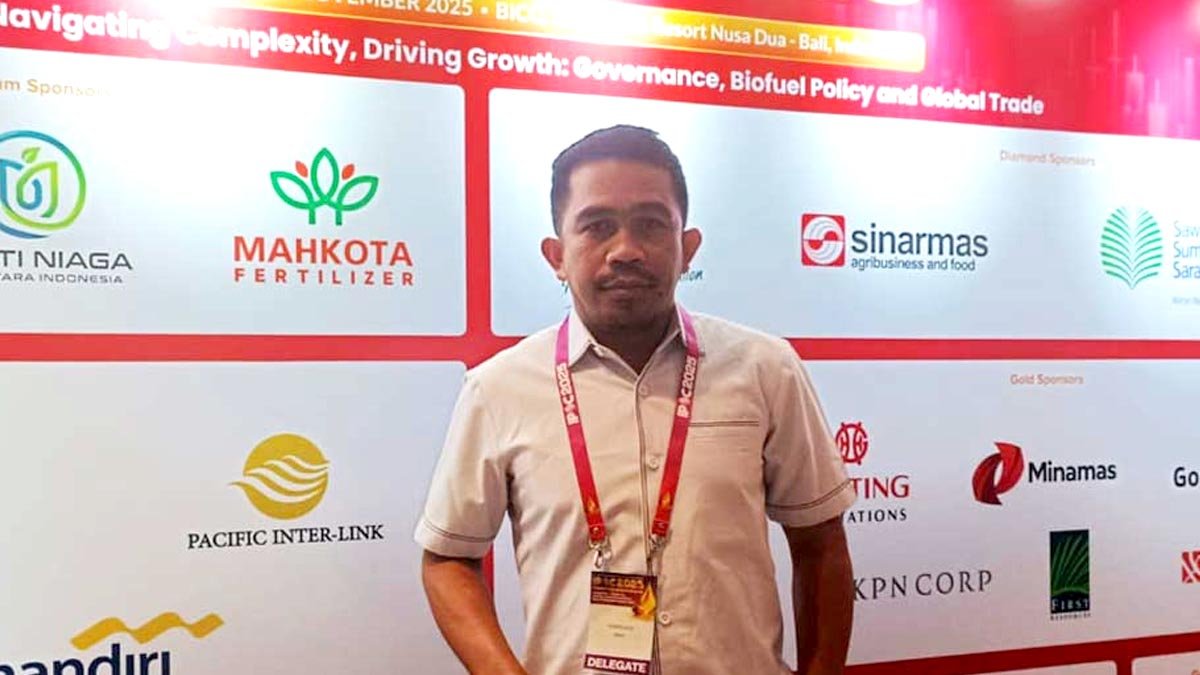
Speaking on the sidelines of the Indonesia Palm Oil Conference (IPOC) 2025 and Price Outlook 2026 in Nusa Dua, Bali, Sabarudin said that farmers, in principle, support the biodiesel program, as it absorbs a significant volume of Indonesia’s Crude Palm Oil (CPO) production and helps stabilize the domestic market.
“We need the biodiesel program because it absorbs Indonesia’s CPO,” he told Palmoilmagazine.com on Friday (14/11/2025) in Nusa Dua, Bali. However, he stressed that any increase in the blend level must be carefully assessed, especially regarding its impact on farmers.
Also Read:
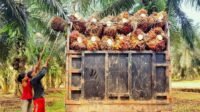
Sabarudin explained that the shift from B40 to B50 could lead to higher export levies (PE), managed by the Plantation Fund Management Agency (BPDP). These increases, he said, ultimately add more financial pressure on farmers—particularly independent smallholders who lack adequate price protection.
“Every increase from B40 to B50 is usually followed by a rise in levies. This becomes a burden for farmers,” he asserted. He added that farmers often do not feel the direct benefits of the biodiesel program, while the financial impacts are felt more strongly at the plantation level.
SPKS is urging the government to involve farmer organizations in the evaluation process and to ensure that the benefits of the biodiesel program are distributed fairly, including to smallholders. According to Sabarudin, the success of the biodiesel mandate should not only be measured by CPO absorption or industrial growth but also by its contribution to improving farmers’ livelihoods.
Also Read: West Kalimantan FFB Prices for Period II–November 2025 Drop to IDR 3,358.25 per kg
He warned that without a comprehensive review, an increase in biodiesel blend levels risks widening inequality within the palm oil supply chain. “We hope the government considers the real conditions farmers are facing. Energy policies should not come at the expense of upstream plantation communities,” he said.
Going forward, SPKS is pushing for open dialogue between the government, the BPDP, and farmer representatives to ensure the biodiesel mandate remains balanced—supporting the energy sector while safeguarding the economic resilience of oil palm farmers across Indonesia. (P2)