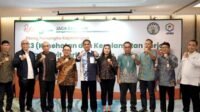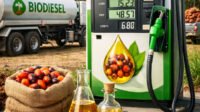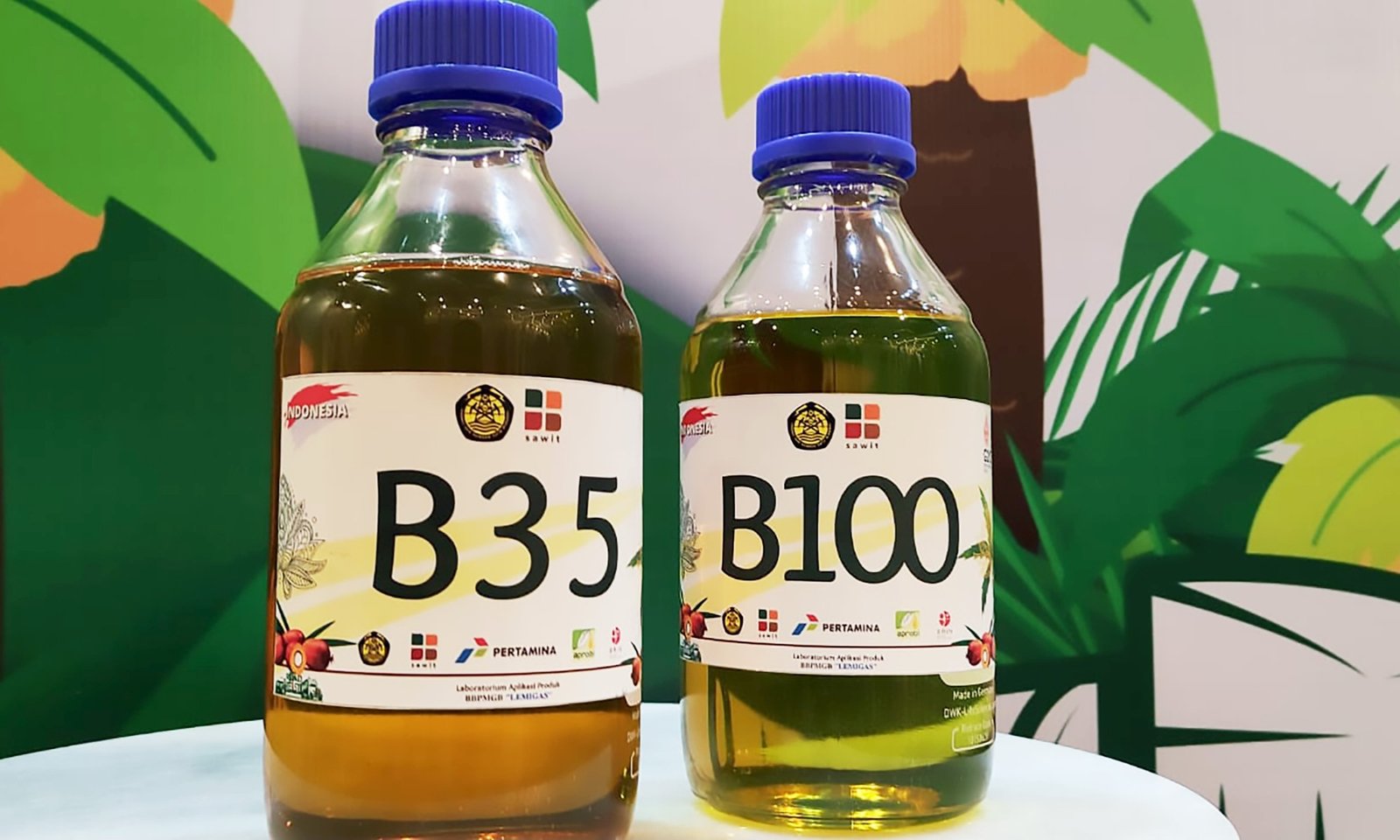
PALMOILMAGAZINE, JAKARTA – The Indonesian Oil Palm Farmers Association (POPSI) has voiced strong opposition to the government’s plan to increase the biodiesel blend from B40 to B50, warning that the policy could hurt smallholders and disrupt the broader palm oil industry. POPSI argues that the proposal risks reducing crude palm oil (CPO) supply for the food sector, straining the financial position of the Plantation Fund Management Agency (BPDP), and further marginalizing smallholder farmers.
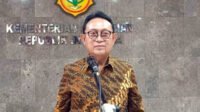
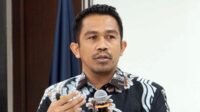
POPSI Chairman Mansuetus Darto cautioned that raising the biodiesel blend to B50 would significantly increase CPO consumption for the energy sector, thereby limiting availability for food processing industries such as cooking oil production.
“If palm oil consumption for biodiesel keeps increasing, the supply for the food and cooking oil industries will tighten. This will affect both producers and consumers, as cooking oil prices could rise again. The government must consider this carefully and not focus solely on the energy aspect,” Mansuetus said in an official statement received by Palmoilmagazine.com on Tuesday (28/10/2025).
Rising Subsidies, Farmers Left Behind
POPSI also highlighted the ballooning biodiesel subsidy funded by BPDP, noting that the B50 plan would further enlarge subsidy requirements while shrinking the portion allocated to smallholder support programs.
“Nearly 90% of BPDP funds are currently used to subsidize biodiesel, while only around 8% goes to farmers’ programs. If subsidies continue to expand, smallholders will be increasingly sidelined,” Mansuetus emphasized.
Also Read: RSPO Hosts RT25 Sustainability in Action Palm Oil Tour in Sabah
Key initiatives such as the Smallholders Replanting Program (PSR), farmer capacity building, and the provision of farming inputs and infrastructure could face deeper funding shortfalls if most of BPDP’s budget continues to flow toward energy subsidies.
Risks to Exports and State Revenue
A similar concern was raised by Alpian Arahman, Chairman of APKASINDO Perjuangan and a member of POPSI. He warned that the B50 policy could suppress CPO exports, which are the main source of BPDP’s revenue through export levies.
“If the domestic market absorbs more CPO, exports will inevitably decline. But the biodiesel subsidy itself is financed by export levies. It’s contradictory — subsidy needs will rise, yet the funding source will shrink,” Alpian explained.
Also Read: South Kalimantan Paves the Way Toward a Balanced and Sustainable Palm Oil Future
He added that if the government raises export levies to offset the subsidy deficit, the burden will ultimately fall on farmers. Based on POPSI’s calculations, every US$50 increase in CPO export levy can reduce the Fresh Fruit Bunch (FFB) price by about Rp45 per kilogram.
“When export levies go up, farmers are the ones who suffer the most,” Alpian stressed.
Call for Reprioritization of BPDP Funds
POPSI is urging the government to reassess BPDP’s funding priorities to ensure greater support for smallholders. The group insists that the current structure — which allocates the majority of funds to the energy sector — neglects the real needs of farmers, such as access to quality seedlings, fertilizers, infrastructure, and replanting assistance.
“BPDP funds must return to their original purpose — improving smallholder welfare. Farmers must be at the center of the biodiesel policy, not just bystanders,” Mansuetus Darto concluded. (P2)