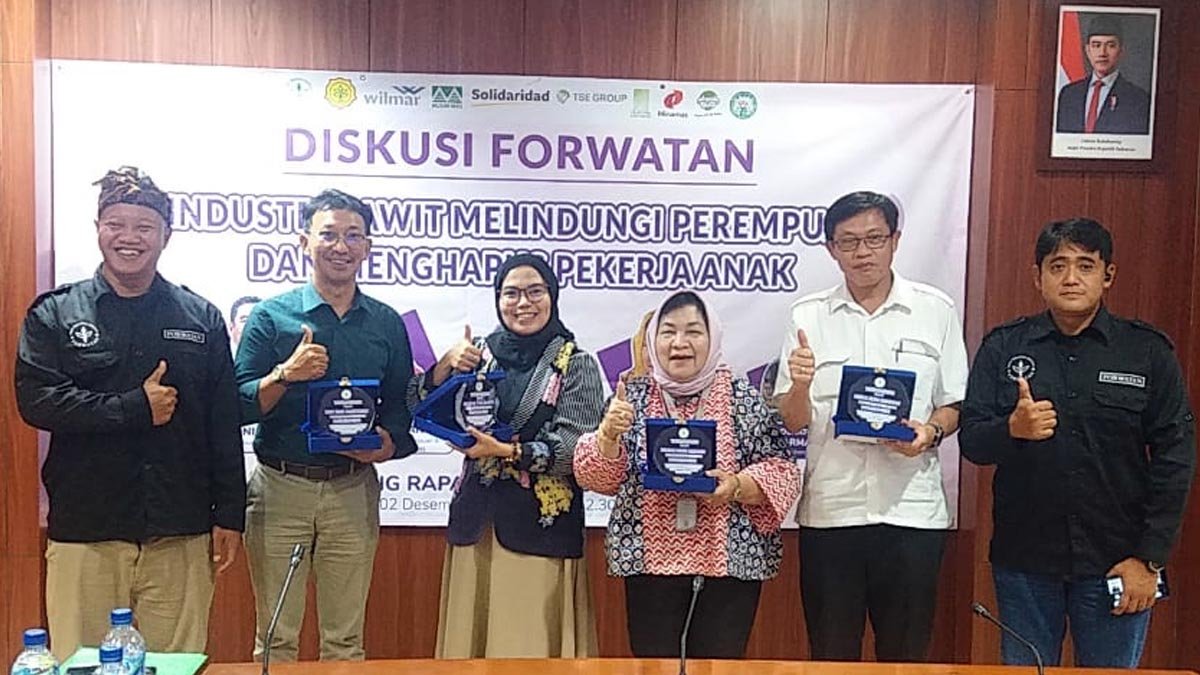
PALMOILMAGAZINE, JAKARTA — Indonesia’s palm oil industry is placing stronger emphasis on protecting the rights of children and female workers as part of its commitment to sustainable and responsible production. Today, many plantations are already equipped with facilities comparable to those in major cities—ranging from lactation rooms and health clinics to early childhood education centers and dedicated shelters for women workers—aimed at ensuring the “green gold” commodity remains friendly to women and children.
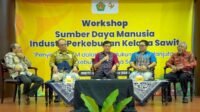
These issues were the focus of the regular discussion hosted by the Forum Wartawan Pertanian (Forwatan) at the Ministry of Agriculture’s C Building in Jakarta on Tuesday (2 December 2025). Speakers included Baginda Siagian, Director of Oil Palm and Other Palms, Ministry of Agriculture, Dr. Delima Hasri Azahari, BRIN Senior Researcher, Marja Yulianti, Palm Oil Association/GAPKI’s Division on Women Workers & Child Protection), and Edy Dwi Hartono, Program Development Lead, Solidaridad Indonesia.
ISPO Sets New Benchmarks for Labor Protection

Baginda Siagian highlighted that the newly issued Regulation of the Minister of Agriculture No. 33/2025 on Indonesian Sustainable Palm Oil (ISPO) certification strengthens the legal basis for labor protection, binding all companies to comply with five key criteria and 36 labor-related indicators.
“All corporate activities are now assessed through their contribution to the 17 SDGs. ISPO must ensure zero child labor, gender equality, and full labor protection,” he said at the event attended by Palmoilmagazine.com.
Also Read:
Baginda added that Bappenas will soon link national development assessments with companies’ SDG compliance, meaning plantation companies’ performance will directly affect ISPO audits. Indonesia’s large palm oil ecosystem, he added, makes sustainability a domestic necessity rather than mere global pressure. The sector employs 9.6 million workers directly and another 7–8 million indirectly; including families, over 50 million Indonesians depend on palm oil.
“Palm oil contributes 3.5% to GDP and supports energy security through B40 and the planned B50 program next year. If sustainability falters, export risks become very real,” he cautioned.
Still, challenges remain: risky assignments for women workers, wage disparities, limited PPE, lack of childcare facilities, uneven access to healthcare, and persistent misinterpretations regarding the presence of children in plantations.
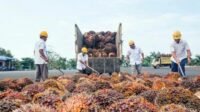
“Often children seen in plantations are only accompanying their parents after school, not working. But the images are misused as evidence of child labor,” he noted, stressing that any proven use of child labor automatically leads to ISPO certification failure.
Also Read: RSPO Launches New Sustainability Standard to Boost Inclusion of Independent Smallholder Palm Farmers
Human-Centered Issues Need More Public Attention
Forwatan Chair Beledug Bantolo said humanitarian issues—especially those affecting women workers—remain underrepresented in public discourse. Current challenges such as land seizures, double burdens on women, and insufficient childcare facilities must be addressed within the sustainability agenda.
BRIN researcher Delima Hasri Azahari emphasized that many allegations of “child labor” are based on misunderstandings. “Children seen in plantations are often just playing or accompanying their parents. Such situations must be interpreted carefully,” she said.
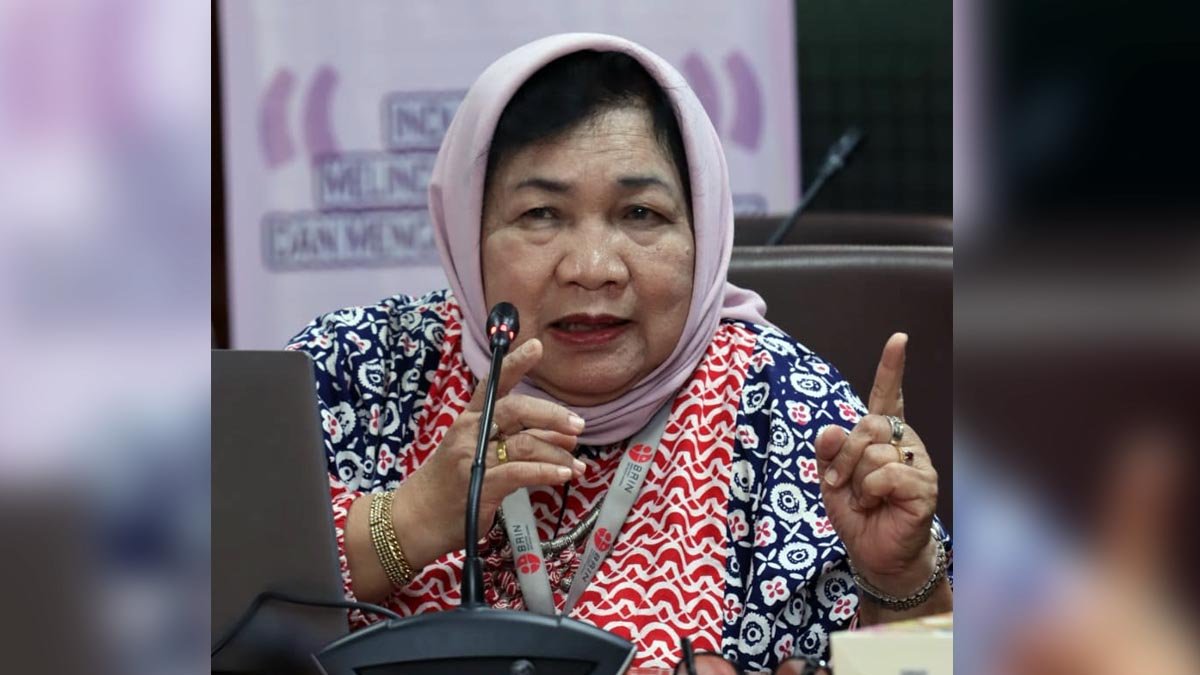
She also called for improvements in 24-hour plantation clinics, sanitation facilities, and community infrastructure. While the legal framework is already strong—Labor Law, Child Protection Law, ISPO and RSPO standards—implementation and auditing need to be strengthened.
Also Read: SSMS Acquires SML in IDR 1.6 Trillion Deal to Strengthen Upstream Palm Supply Chain
GAPKI: Women’s Rights Protected, Child Labor Allegations Often Misleading
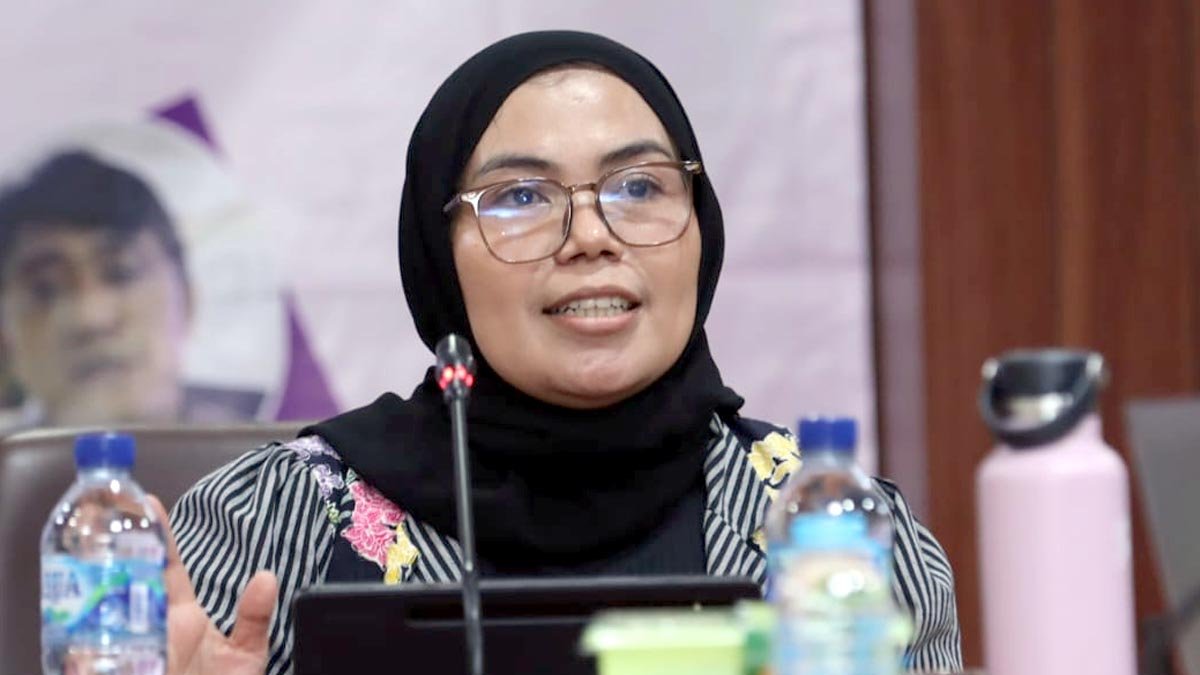
GAPKI representative Marja Yulianti explained that 758 member companies have implemented programs ranging from PPE provision, occupational safety training, posyandu, early education, lactation rooms, and Women Workers’ Protection Houses (RP3).
She said claims of wage inequality are often misinterpreted. “Wage differences are usually due to different working hours. Permanent employees receive equal pay. That is the standard for GAPKI member companies.”
Echoing BRIN’s findings, she said many child labor accusations are part of misleading campaigns. “In many cases, children accompany their parents because no one stays at home after school. When photographed secretly by some NGOs, they are labeled as workers,” she said. Nearly 69% of GAPKI companies are now ISPO-certified, demonstrating stronger labor and child protection standards.
Also Read: GAPKI Boosts International Engagement, Secures Six Cooperation Deals Across the US and Europe
Empowering Women: The Key to Ending Child Labor
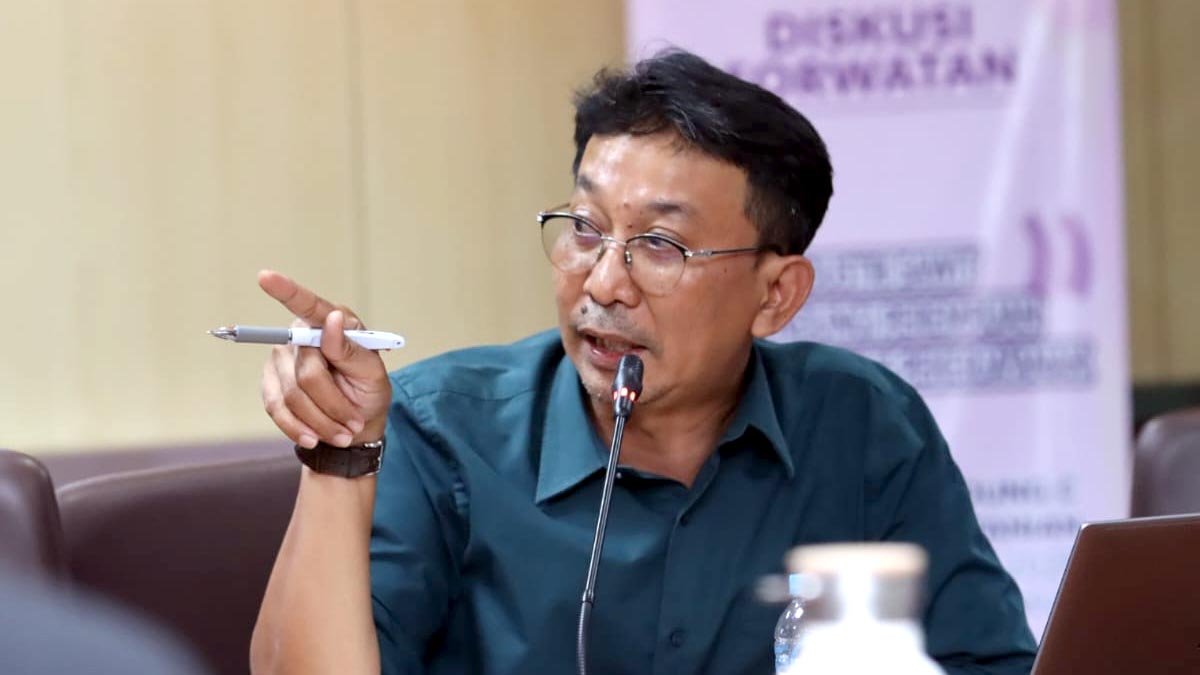
Solidaridad Indonesia’s Edy Dwi Hartono stressed that empowering women farmers and workers is a strategic investment toward a sustainable, child-labor-free palm oil industry. Empowered women with secure rights and stable income contribute to long-term productivity and prevent children from entering the workforce.
Also Read: Solidaridad Strengthens Smallholder Palm Oil Networks Through Farmer Field Day in Lamandau
He referenced research from UNICEF (2016) and PAACLA Indonesia (2024), which shows that formalizing women’s employment status—from daily laborers to contracted workers—is the most effective intervention to break the cycle of child labor. Zero child labor, he said, relies not merely on sanctions, but on ensuring women’s income security and parental rights.
“When women have equal access to resources, rights, and representation, household economic stability increases—significantly reducing the likelihood of children working in plantations,” he concluded. (P3)