PALMOILMAGAZINE, JAKARTA – The Indonesian government is making a strong diplomatic effort to secure zero import tariffs for its palm oil products entering the United States (U.S.) market. This initiative aims to ensure fair competition with Malaysia, which has already obtained similar tariff privileges from Washington.
According to Putu Juli Ardika, Acting Director General of Agro Industry at the Ministry of Industry (Kemenperin), negotiations between Indonesia and the U.S. are still ongoing. The government remains optimistic that these discussions will result in a mutually beneficial agreement for Indonesia’s palm oil industry.
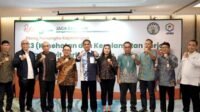
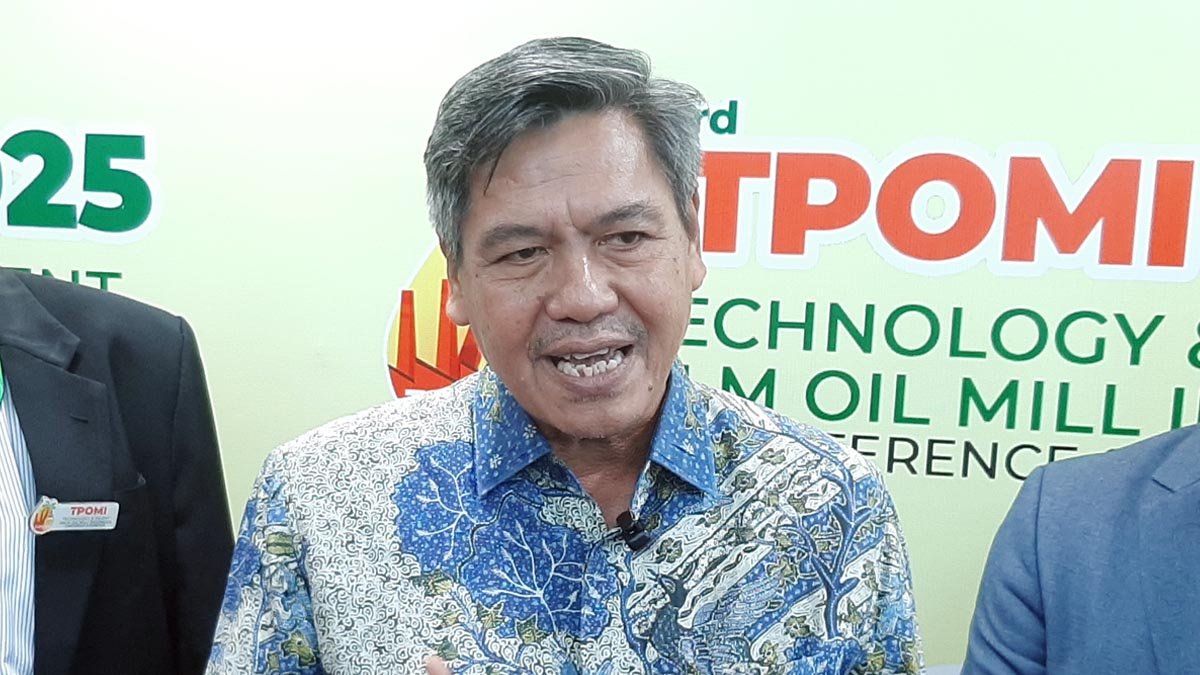
“Negotiations on palm oil tariffs are still in progress. Hopefully, in the upcoming discussions, we can at least secure the same treatment as Malaysia,” said Putu during the Agro Industry Exhibition at the Ministry’s headquarters in Jakarta, Wednesday (Oct 29, 2025).
As reported, Malaysia recently signed a reciprocal tariff agreement with the United States, reducing import duties from 25 percent to 19 percent. Moreover, the U.S. granted full tariff exemptions (0 percent) on several of Malaysia’s key export commodities, including palm oil, rubber products, wood-based goods, aviation components, and pharmaceuticals.
Indonesia views similar treatment as essential to maintain its export competitiveness, given that the U.S. is one of the country’s most promising markets outside Asia and Europe.
“With a 0 percent tariff, we can compete on a level playing field with Malaysia in the U.S. market,” Putu emphasized.
This negotiation effort also aligns with the government’s broader strategy to diversify palm oil export destinations and strengthen Indonesia’s economic diplomacy in the global agribusiness sector.
If successful, the zero-tariff policy would create significant opportunities for Indonesian palm oil producers to expand their market share, boost export earnings, and reinforce Indonesia’s position as the world’s largest palm oil producer. (P2)